
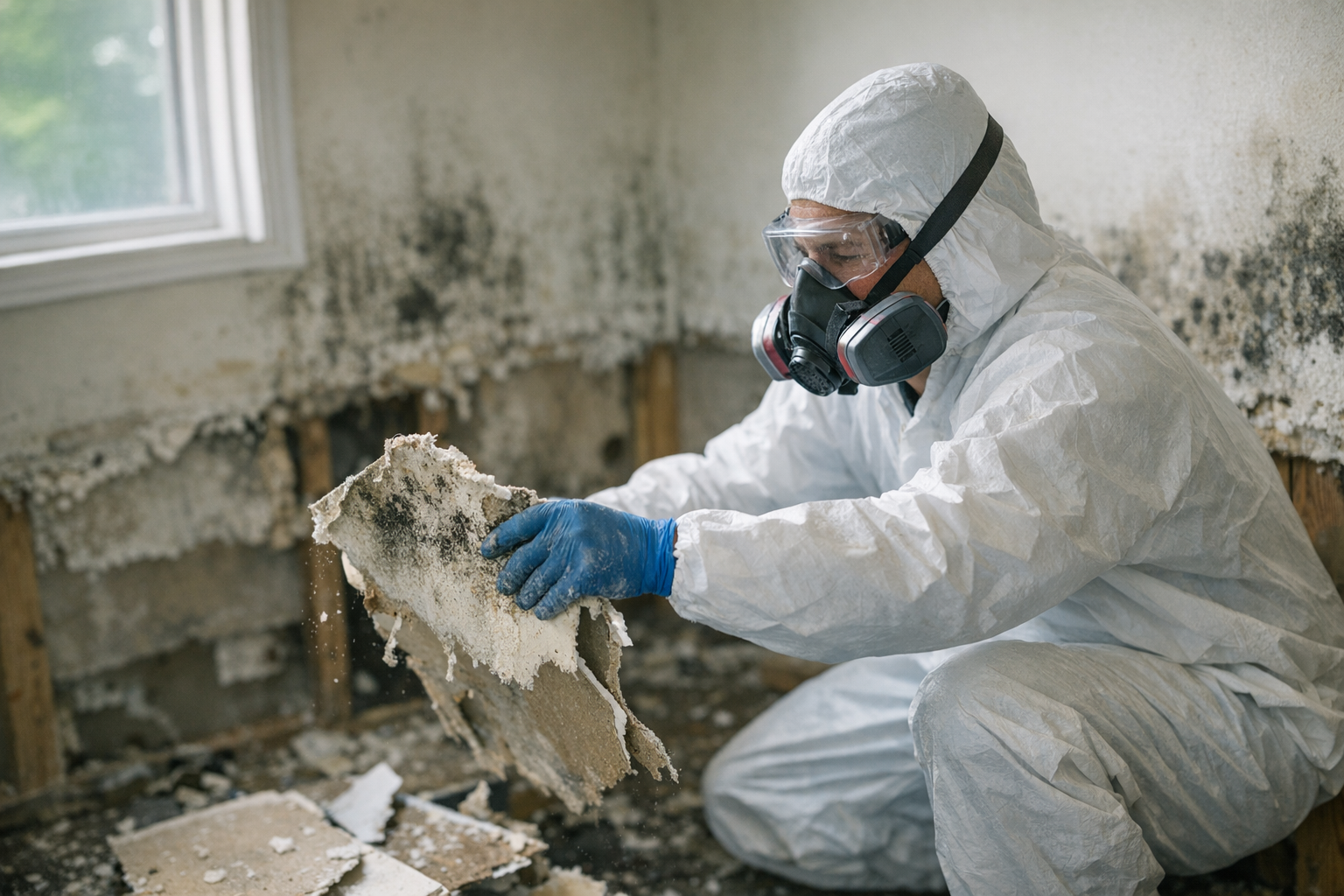
Water damage strikes when you least expect it, and mold follows within 24 to 48 hours. The speed of your response determines whether you face a manageable cleanup or extensive structural repairs. Quick mold remediation after water damage isn’t just recommended—it’s the difference between saving your property and watching it deteriorate.
This timing window is narrower than most homeowners realize. Understanding why speed matters and how to act fast can save you thousands in repairs and protect your family’s health.
Why Mold Grows So Fast After Water Events
Mold spores exist everywhere in the environment, waiting for the right conditions to activate. When water damage creates moisture levels above 60% humidity, these dormant spores spring into action immediately.
Within the first 24 hours, mold spores begin colonizing wet surfaces. By 48 hours, visible growth appears on porous materials like drywall, carpet padding, and wooden structures. After 72 hours, mold colonies expand rapidly and release more spores into the air.
The temperature range of 77-86°F accelerates this timeline even more. Most homes maintain temperatures within this range, creating perfect growing conditions once moisture is introduced.
Materials Most at Risk
Different building materials absorb water and support mold growth at varying rates:
- Drywall and insulation: Begin showing mold within 24 hours
- Carpet and padding: Develop mold colonies within 24-48 hours
- Wood framing: Shows surface mold in 48-72 hours
- HVAC systems: Spread contaminated air within hours of exposure
- Personal belongings: Fabrics and papers show damage within 48 hours
Health Risks That Escalate With Time
Mold exposure creates immediate and long-term health concerns that worsen the longer remediation is delayed. Airborne mold spores trigger respiratory problems within hours of exposure.
People with asthma, allergies, or compromised immune systems face the greatest risk. Children and elderly individuals show symptoms faster than healthy adults.
Progressive Symptoms by Timeline
0-24 hours: Musty odors begin as mold releases volatile organic compounds. Sensitive individuals may experience mild respiratory irritation.
24-72 hours: Visible mold appears and spore concentrations increase. Symptoms include coughing, sneezing, eye irritation, and headaches.
Beyond 72 hours: Heavy spore loads create persistent respiratory issues. Long-term exposure risks include chronic sinusitis and potential lung infections.
The Cost of Delayed Quick Mold Remediation
Repair costs multiply dramatically when mold remediation is postponed. A water damage incident that might cost $2,000 to remediate within 24 hours can balloon to $10,000 or more after a week of delay.
Structural damage becomes the primary cost driver. Mold doesn’t just sit on surfaces—it penetrates deep into materials, requiring complete removal and replacement.
Cost Breakdown by Delay Period
0-48 hours: Surface cleaning and drying, $1,500-$3,000 for typical residential damage
3-7 days: Drywall replacement and deeper cleaning, $3,000-$7,000
Over 7 days: Structural repairs and extensive remediation, $7,000-$15,000+
Insurance companies recognize these cost escalations. Many policies include specific clauses about timely mitigation efforts, and delayed response can impact claim settlements.
Critical Actions Within the First 48 Hours
The first two days after water damage determine the success of your remediation efforts. These actions must happen immediately, not when it’s convenient.
Stop the water source first. Whether it’s a burst pipe, roof leak, or appliance malfunction, eliminate the moisture input before addressing the damage.
Hour-by-Hour Response Plan
Hours 0-2: Document damage with photos, contact insurance, and remove standing water using pumps or wet vacuums.
Hours 2-12: Remove wet materials like carpet, padding, and damaged drywall. Begin air circulation with fans and dehumidifiers.
Hours 12-24: Contact restoration professionals for assessment. Continue drying efforts and monitor humidity levels below 50%.
Hours 24-48: Professional remediation begins. Antimicrobial treatments are applied to prevent mold establishment.
How Professional Restoration Teams Work Against Time
Restoration professionals understand mold biology and work systematically to interrupt its growth cycle. Their approach differs significantly from standard cleaning methods.
Industrial equipment makes the difference in drying speed. Commercial dehumidifiers remove moisture 10 times faster than household units, while air movers create circulation patterns that reach hidden moisture pockets.
Professional Equipment Advantages
Restoration teams deploy specialized tools within hours of your call:
- Moisture meters: Detect hidden water in walls and subfloors
- Thermal imaging cameras: Locate moisture without destructive testing
- Industrial dehumidifiers: Remove gallons of moisture per day
- Air scrubbers: Filter airborne mold spores during remediation
- Antimicrobial treatments: Prevent mold establishment on cleaned surfaces
These professionals monitor progress with scientific measurements rather than visual assessment. Moisture levels, humidity readings, and air quality tests confirm when remediation is complete.
Warning Signs That Time Is Running Out
Recognizing escalating mold problems helps you understand when emergency intervention is needed. Some indicators signal that the 48-hour window is closing or has passed.
Musty odors indicate active mold growth and spore release. This smell appears within 12-24 hours and intensifies rapidly.
Visible discoloration on walls, ceilings, or floors shows established colonies. Green, black, or fuzzy growth means remediation complexity has increased significantly.
Respiratory symptoms in occupants suggest airborne spore concentrations are rising. Evacuate sensitive individuals and accelerate professional intervention.
Choosing the Right Restoration Professional
Time pressure makes vetting restoration companies challenging, but choosing the wrong team can extend damage and increase costs. Focus on immediate availability and proper certifications.
Look for companies that respond within 2-4 hours of your call. National franchises maintain local crews for emergency response, while established local companies know regional moisture patterns and common problem areas.
Verify certifications from the Institute of Inspection, Cleaning and Restoration Certification (IICRC). These credentials confirm training in water damage restoration and mold remediation protocols.
When browsing restoration providers on https://restorationlocator.com, filter by 24/7 availability and check customer reviews for response time feedback. Sort listings by proximity to your location to find the fastest response teams.
Prevention Strategies for Future Water Events
Learning from water damage incidents helps prevent future mold problems. Most residential water damage follows predictable patterns that homeowners can interrupt early.
Install water detection alarms near appliances, water heaters, and in basements. These devices alert you to leaks within minutes, preserving that critical 48-hour response window.
Regular HVAC maintenance prevents condensation buildup that leads to hidden moisture problems. Clean gutters and maintain proper drainage around your foundation to prevent water intrusion during storms.
Water damage and mold growth follow predictable timelines, but your response speed determines the outcome. Quick mold remediation within 48 hours prevents extensive structural damage and protects your family’s health. Professional restoration teams have the equipment and expertise to interrupt mold growth before it becomes entrenched in your property.
Don’t wait for visible mold growth to seek professional help—by then, remediation costs have already multiplied. Browse certified restoration specialists on restorationlocator.com and save contact information for emergency response when water damage strikes.